
 EN
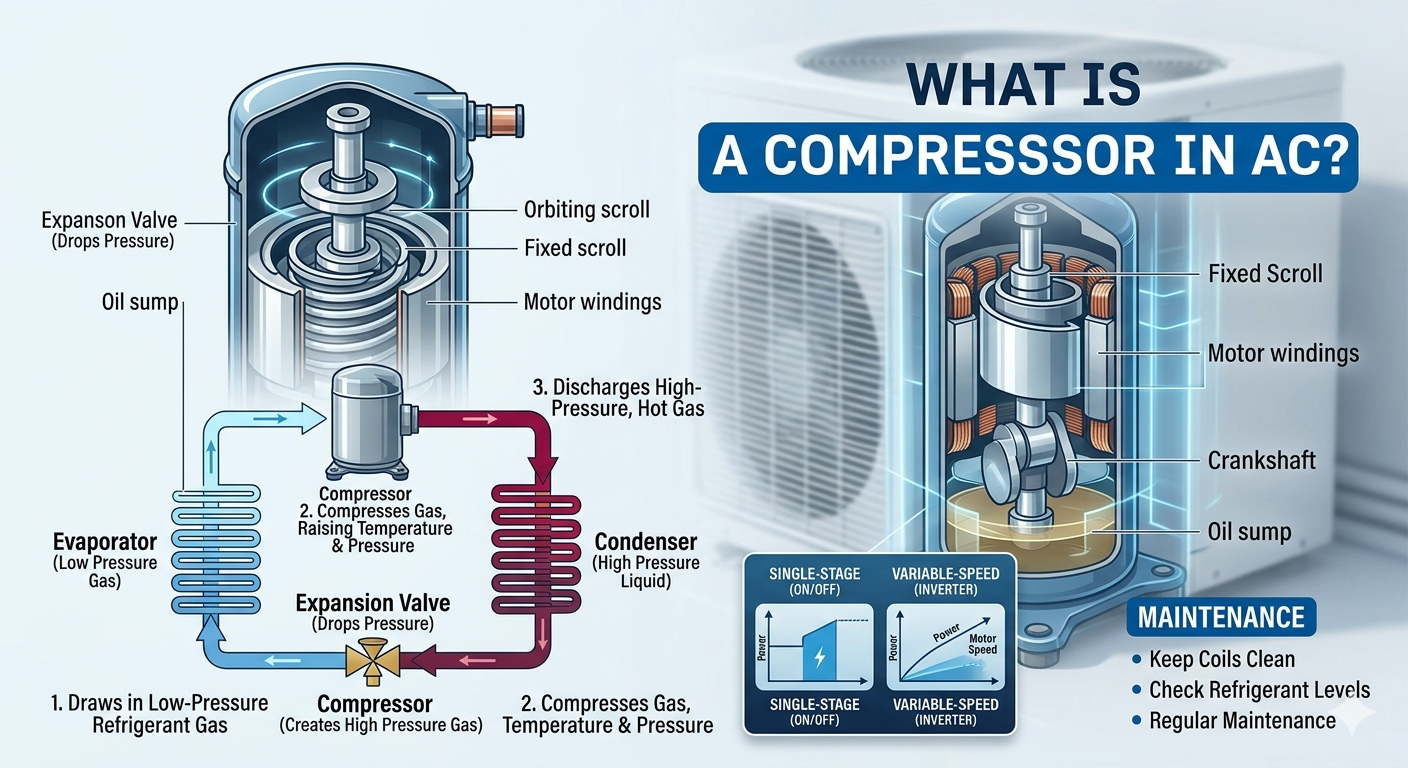
ENAn AC kompresor je mechanické srdce klimatizačního systému, který cirkuluje chladivo pod vysokým tlakem, aby se usnadnila výměna tepla. Stlačováním chladicího plynu se kompresor zvyšuje jeho teplotu a tlak, což mu umožňuje uvolňovat teplo, když proudí skrz venkovní spirály kondenzátoru. Bez funkčního kompresor klimatizační zařízení nemůže přenášet teplo zevnitř budovy ven, což znemožňuje celý proces chlazení.
Jak funguje AC kompresor?
Primární funkcí kompresoru je přeměna nízkotlakého chladného plynného chladiva na vysokotlaký horký plyn. Tato transformace je nezbytná, protože teplo se přirozeně přesouvá z teplejších objektů na chladnější. Chcete-li odvádět teplo do horkého venkovního vzduchu (který může mít 35 °C nebo vyšší), musí být chladivo stlačováno, dokud není výrazně vyšší než okolní venkovní teplota – často dosahující 50 °C až 65 °C.
Cyklus začíná, když kompresor nasává studené, plynné chladivo z vnitřního výměníku. Pomocí motorem poháněného pístu nebo spirály zmenšuje objem plynu, což způsobuje častější srážku molekul, zvyšuje kinetickou energii a teplo. Tento vysokoenergetický plyn je následně vytlačován do kondenzátoru, kde začíná odvádět své teplo.
Hlavní typy AC kompresorů
Moderní klimatizační systémy využívají pět hlavních typů kompresorů, z nichž každý je vhodný pro specifickou chladicí zátěž a požadavky na účinnost. Zatímco obytné jednotky obvykle používají spirálové nebo vratné konstrukce, velké komerční budovy spoléhají na šroubovou nebo odstředivou technologii.
1. Posunout Compressors
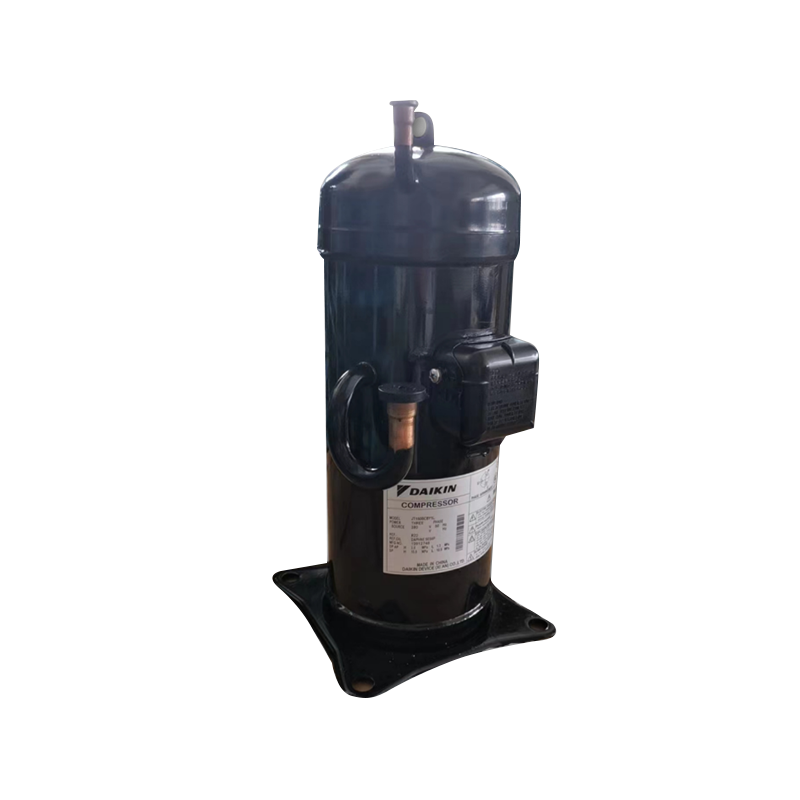
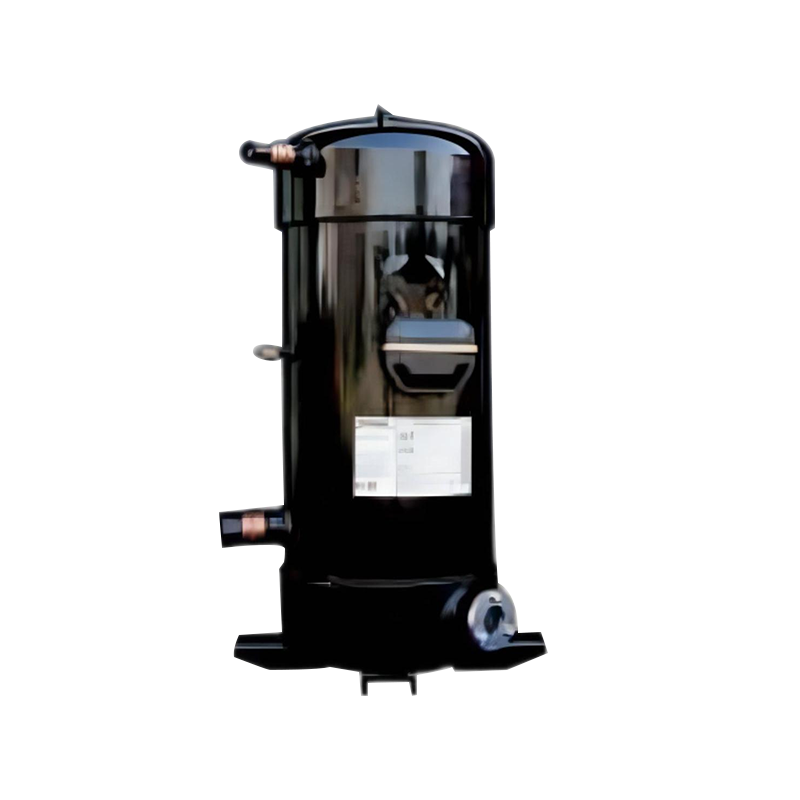
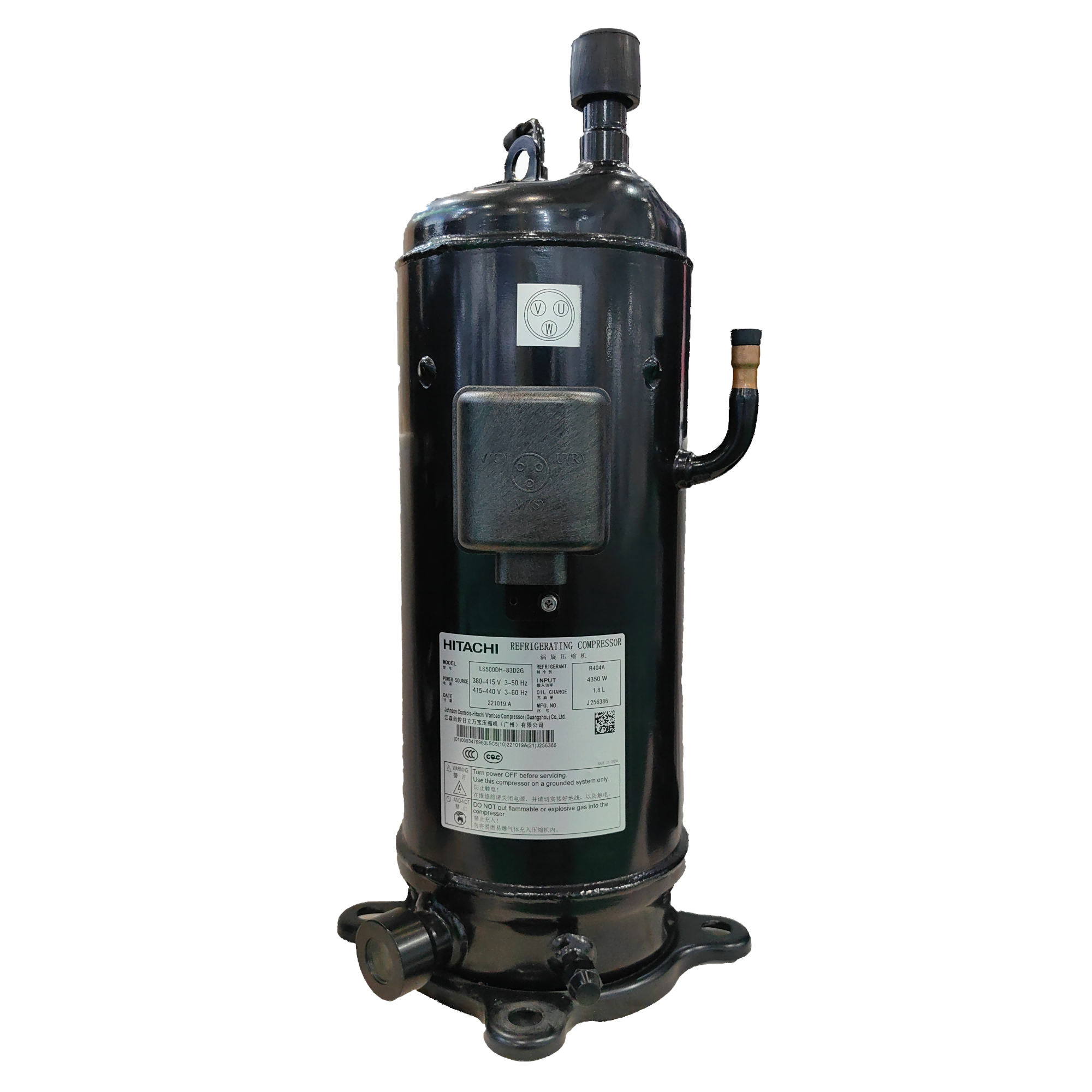
Scroll kompresory používají ke kompresi chladiva dva spirálovité kusy a jsou v současnosti zlatým standardem pro domácí klimatizaci. Jeden svitek zůstává nehybný, zatímco druhý rotuje těsným kruhovým pohybem a zachycuje a stlačuje plyn směrem do středu. Mají méně pohyblivých částí než ostatní konstrukce, což má za následek vyšší spolehlivost a tišší provoz.
2. Pístové kompresory
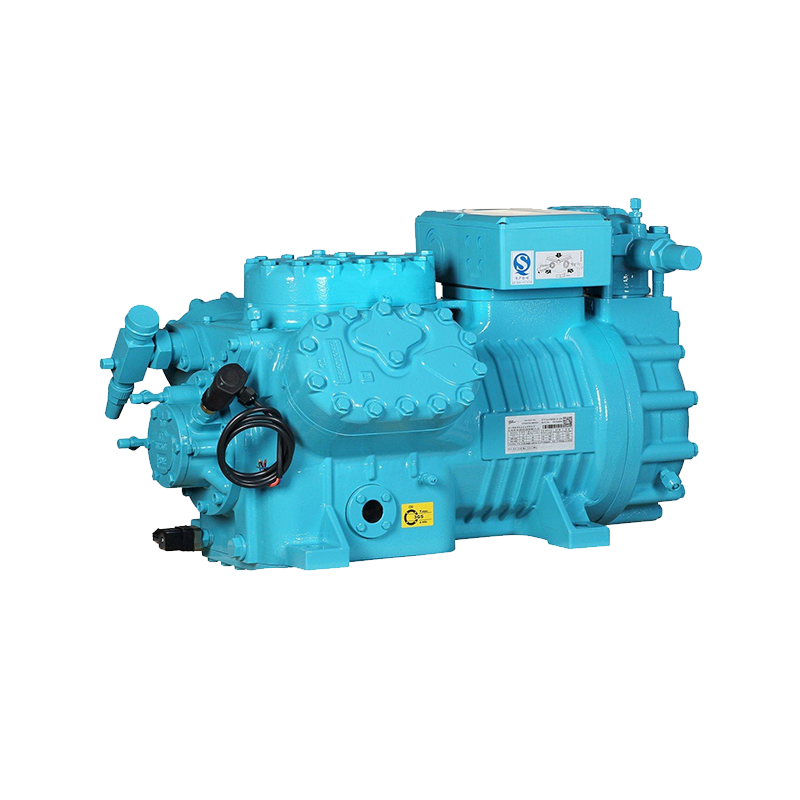
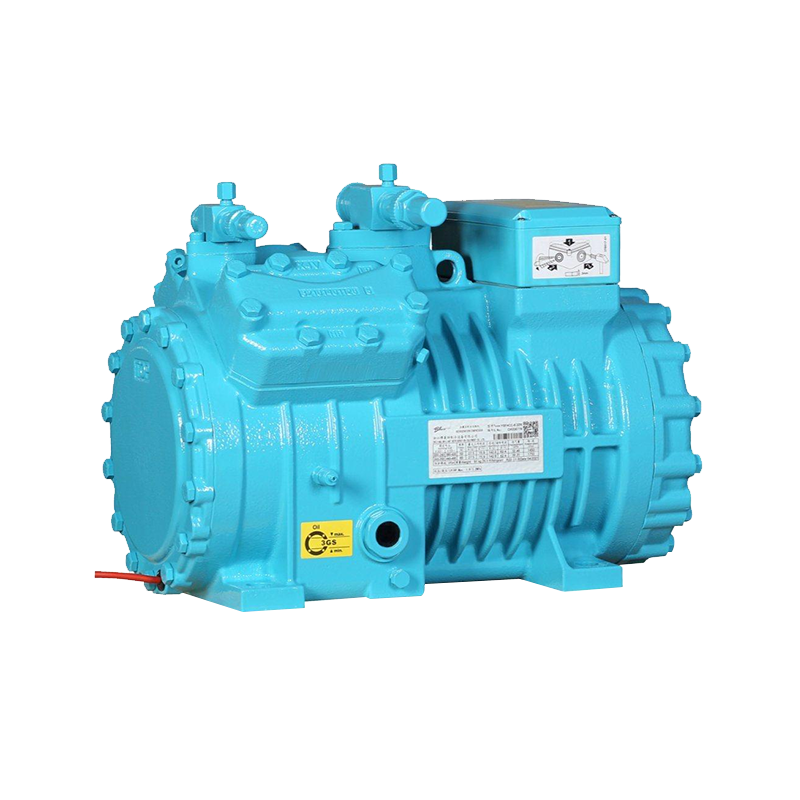
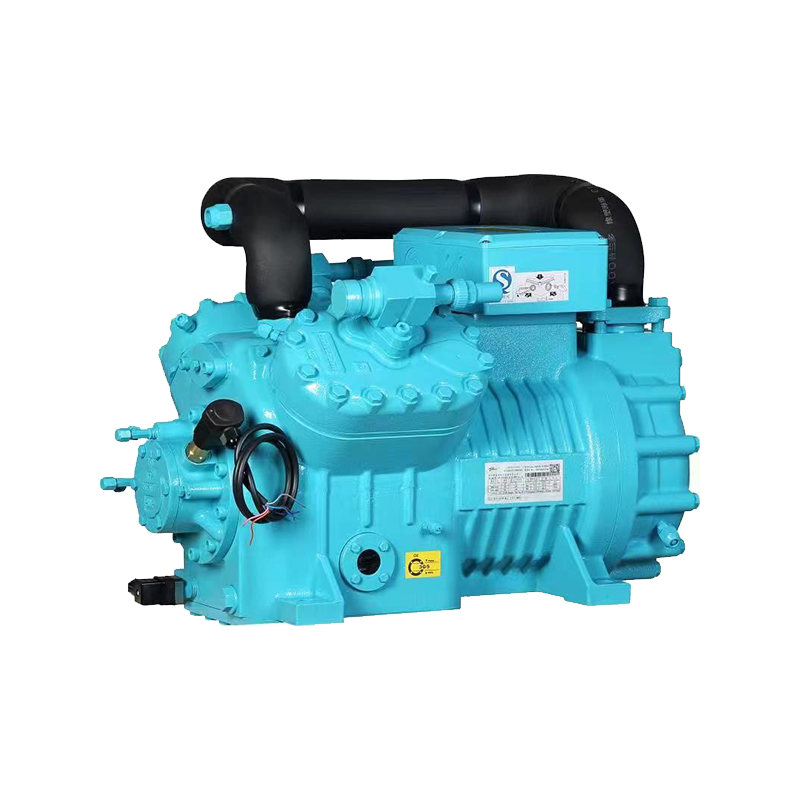
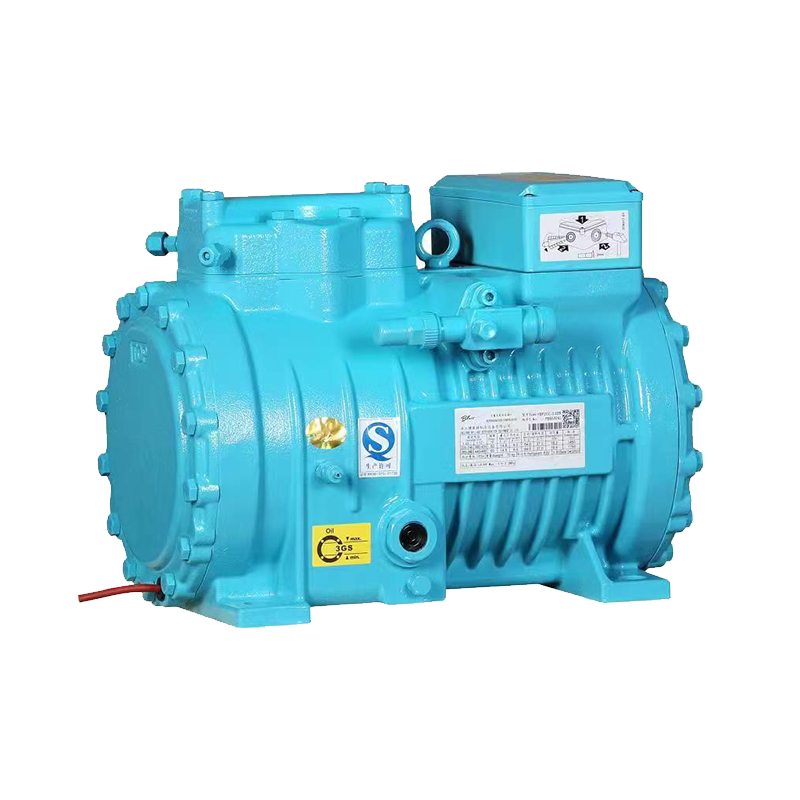
Pístové kompresory využívají pístový válecový mechanismus podobný automobilovému motoru. Když se píst pohybuje dolů, vytváří podtlak, který nasává chladivo; jak se pohybuje nahoru, stlačuje plyn. Přestože jsou vysoce účinné a snadno se obsluhují, bývají hlučnější a náchylnější k vibracím ve srovnání s rolovacími modely.
3. Rotační kompresory
Rotační kompresory využívají ke stlačování plynu rotující lopatku nebo válec uvnitř válce. Jsou kompaktní a efektivní, takže jsou ideální pro okenní jednotky a malé dělené systémy, kde je prostor na prvním místě.
Porovnání typů kompresorů
Abychom lépe pochopili které kompresor technologie vyhovuje konkrétním potřebám, můžeme porovnat jejich provozní vlastnosti:
| Typ kompresoru | Nejlepší pro | Úroveň účinnosti | Úroveň hluku |
|---|---|---|---|
| Scroll | Rezidenční centrální klimatizace | Vysoká | Nízká |
| Reciproční | Rozpočtové systémy | Střední | Střední až Vysoká |
| Rotační | Okenní/přenosné jednotky | Vysoká (at small scale) | Nízká |
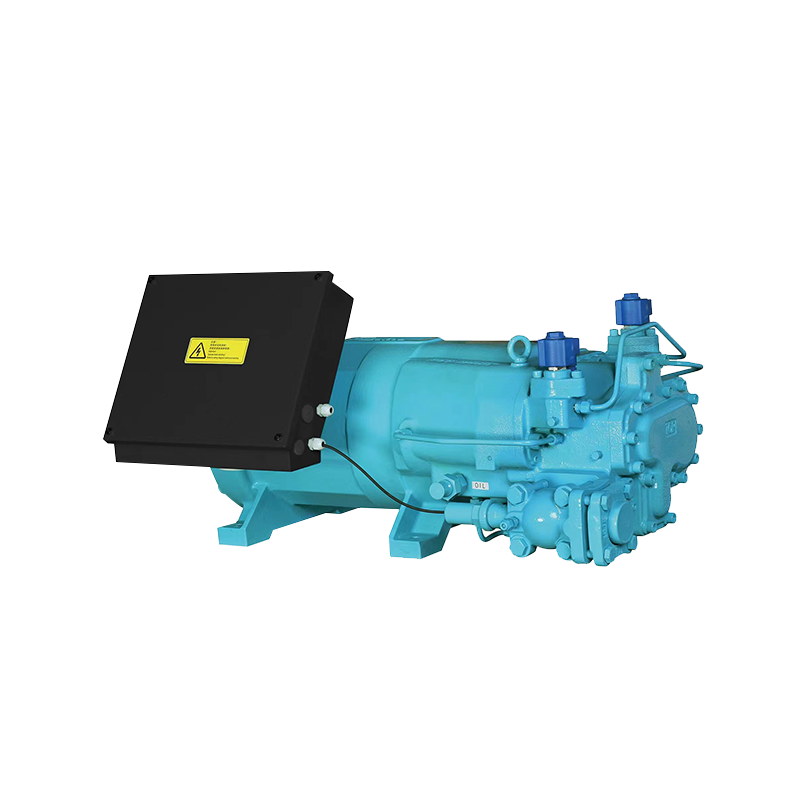
| Šroub | Velká reklama | Velmi vysoká | Mírný |
Proč je kompresor rozhodující pro energetickou účinnost
Kompresor spotřebovává převážnou většinu elektrické energie spotřebované klimatizačním systémem. V typické obytné jednotce, kompresor tvoří přibližně 80 % až 90 % celkové spotřeby energie. To je důvod, proč pokroky v kompresor technologie, jako je „Inverter Technology“, způsobily revoluci v tomto odvětví.
- Kompresory s pevnou rychlostí: Ty fungují na 100 % kapacity nebo jsou úplně vypnuté. To vede k časté jízdě na kole, která plýtvá energií.
- Invertor/kompresory s proměnnou rychlostí: Ty mohou upravit otáčky motoru tak, aby odpovídaly požadavku na chlazení. Pokud například místnost potřebuje pouze 20% zvýšení chlazení, kompresor běží rychlostí 20 %, což snižuje spotřebu energie až o 30–50 % ve srovnání s tradičními modely.
Běžné příznaky selhání kompresoru
Včasná identifikace problémového kompresoru může majitelům domů ušetřit tisíce dolarů na nákladech na výměnu. Protože kompresor je utěsněná jednotka, jakmile interně selže, celá součást obvykle vyžaduje výměnu spíše než jednoduchou opravu.
Sledujte tyto specifické indikátory selhání kompresor :
- Hlasité řinčení nebo chrastění: To často ukazuje na vadné uchycení motoru nebo vnitřní uvolněné části.
- Snížený průtok vzduchu nebo teplý vzduch: Pokud kompresor nemůže efektivně čerpat chladivo, výparník nevychladne natolik, aby ochladil váš domov.
- Vypadlé jističe: Umírající kompresor může odebírat nadměrný proud, když se snaží spustit, což způsobí vypnutí jističe.
- Krátká jízda na kole: Když kompresor rychle se zapíná a vypíná, extrémně namáhá elektrické komponenty.
Preventivní údržba pro dlouhověkost
Udržování správné hladiny chladiva a čistých výměníků je nejlepší způsob, jak prodloužit životnost kompresoru AC. Když jsou spirály kondenzátoru znečištěné, kompresor musí pracovat dvakrát více, aby vytlačil teplo, což vede k přehřátí a předčasnému mechanickému poškození.
Údaje ukazují, že systémy provádějící každoroční odbornou údržbu mají a kompresor životnost 15-20 let, zatímco zanedbané systémy často selhávají během 8-10 let. Mezi klíčové kroky údržby patří:
- Vzduchové filtry vyměňujte každé 1-3 měsíce, abyste zajistili stabilní proudění vzduchu.
- Čištění venkovní jednotky za účelem odstranění listí, nečistot a nečistot.
- Kontrola elektrických spojů, zda nevykazují známky koroze nebo „důlků“.
Často kladené otázky (FAQ)
Q1: Mohu vyměnit pouze kompresor nebo bych měl vyměnit celou AC jednotku?
Pokud je vaše klimatizace starší než 10 let, je obvykle cenově výhodnější vyměnit celou venkovní jednotku. Cena práce za a kompresor výměna je vysoká a nová jednotka často přichází s lepší zárukou a vyšším hodnocením SEER (energetická účinnost).
Otázka 2: Co způsobuje „vyhoření“ kompresoru?
Většina vyhoření je způsobena elektrickou poruchou nebo nahromaděním kyseliny v chladivovém potrubí. Když motor windings overheat, the insulation melts, leading to a short circuit. Acids are often formed when moisture enters the system due to a leak.
Q3: Kolik stojí nový AC kompresor?
Náhradní kompresor obvykle stojí mezi 800 a 2 500 USD včetně práce. Cena se výrazně liší v závislosti na tonáži jednotky a na tom, zda se jedná o jednostupňový nebo variabilní model.
Závěr
Kompresor je nepostradatelnou součástí, která určuje výkon, účinnost a životnost vašeho klimatizačního systému. Pochopení toho, co a kompresor je a jak funguje, umožňuje přijímat informovaná rozhodnutí o údržbě a upgradech. Zajištěním vašeho kompresor funguje za optimálních podmínek, můžete si užívat stálého vnitřního pohodlí a přitom udržet své účty za energii zvládnutelné.
Ať už řešíte problém s chlazením nebo kupujete nový HVAC systém, vždy upřednostňujte kvalitu a typ kompresor . Je to jediný nejdůležitější faktor při určování toho, jak dobře bude vaše klimatizace fungovat během vrcholných letních veder.

 +86-0574-88198229
 +86-18969876790
 Pokoj 1201-09, č. 26 Tianjian Lane, okres Yinzhou, město Ningbo